Walking into a noisy hall in Cairns or logging in from the couch, the pull is the same: the promise of a quick win on a machine that feels familiar. You want to know how to win at classic pokies, but the real work is treating it like a managed expense, not a side hustle. I have spent over a decade in FP&A, and I always tell people to cap the loss before the session starts, the same way a budget locks in headcount before the quarter opens.
Understanding the Machine Before You Put Money In

Classic pokies look simple, but the maths underneath is what decides your session. A standard Australian machine runs a random number generator, which means every spin is independent and the house keeps a long-run edge. I have reviewed vendor forecasts where a single line item could swing the whole model, and pokies work the same way: the return-to-player percentage is set by the operator and the game design, so you are working with a fixed expectation, not a pattern you can crack. If you are sitting in Cairns on a wet Tuesday arvo, pick a machine with a clear paytable and read the symbol hierarchy before you tap the button. Legs eleven and two fat ladies (88) are traditional bingo number nicknames, and old-school players use that kind of shorthand because familiar symbols reduce the mental load when you are watching a payline move. The practical move is to treat each spin as a priced event, not a mystery, and to pick games where the bet per line matches the bankroll you have already decided not to exceed.
Managing Your Bankroll Like a Small Budget
The session only lasts as long as the bankroll does, and that is where most people drift. A sensible approach is to split the money you bring into blocks, then stop the block when it is gone rather than topping up on impulse. In my finance work, I have seen teams blow a forecast because they kept reapproving small spends that looked harmless in isolation; pokies sessions fail the same way when you keep feeding the machine after the first block is done. Set a loss limit that feels boring, because boring is what protects you when luck turns quiet. If you are playing for an hour, decide the total before you start, then divide it into equal chunks so you can see when the pace is running hot or cold. The goal is not to outguess the machine; it is to keep the cost of entertainment inside a number you can live with, which is the same discipline that keeps a commercial budget from drifting at month-end.
| Control | What it does | Practical setting |
|---|---|---|
| Session loss limit | Stops play when the cap is hit | Set before you start, not mid-spin |
| Bet per line | Keeps stake aligned to bankroll | Match to your block size |
| Time limit | Breaks the flow when you are tired | Use a phone timer, not machine cues |
| Autoplay cap | Prevents long unattended runs | Turn off or set a small stop point |
Using Account Controls and Support Without Friction
A good operator makes the responsible-play tools easy to find and easy to use, because the point is to help you stay in control, not to hide the controls behind menus. Look for a site that shows licensing and security up front, offers clear privacy handling, and gives you access to deposit limits, reality checks, and self-exclusion without a runaround. I have worked on process transformations where a control only worked because it was visible and fast to activate, and the same logic applies here: if you cannot find the limit setting in a minute, the design is working against you. Support should be reachable when you need it, and the account area should let you see your history without digging through tabs. If you are comparing options, check whether the payment flow and the verification steps are laid out plainly, because a clean account setup usually signals a cleaner overall process. You can read a separate note on whether is luxon pay safe when you are weighing how a payment method fits your own limits, but the main test is whether the operator gives you the controls first, not the marketing last.
Reading the Room and Knowing When to Walk
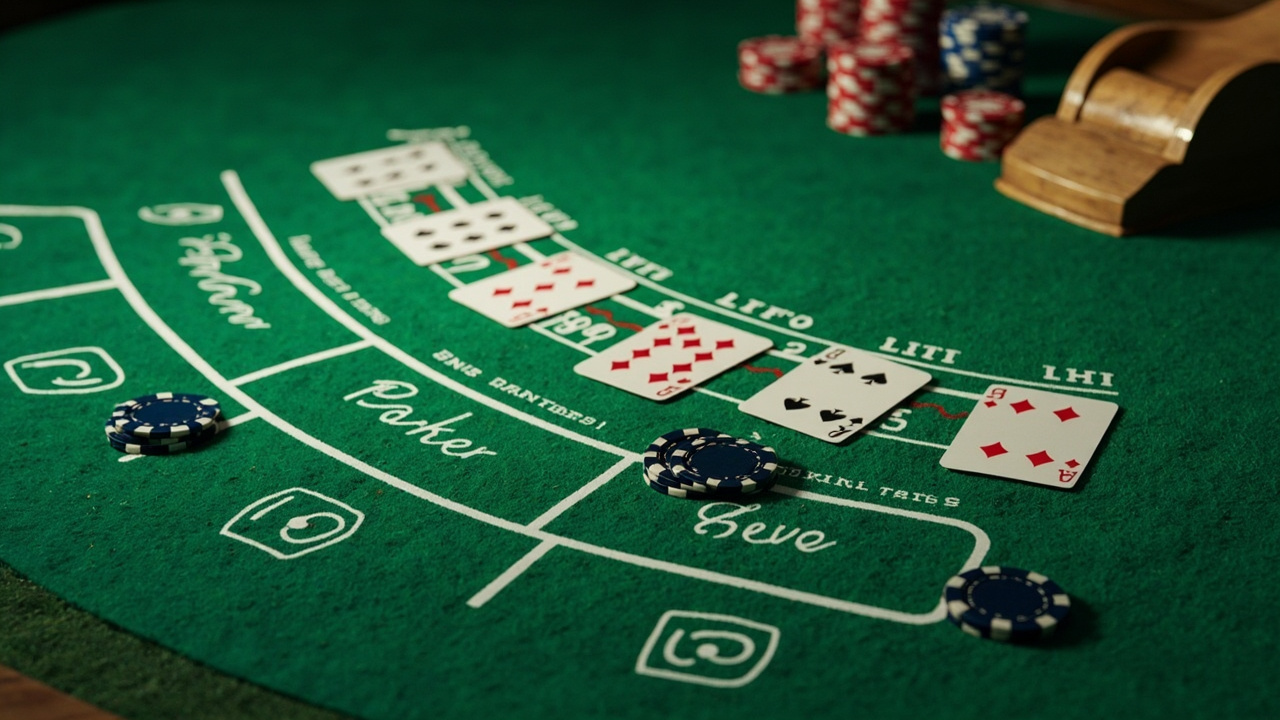
The session ends when you decide it ends, and that decision is easier if you watch your own state rather than the screen. A machine can run flat for a long stretch, and the noise, the lights, and the pace can make a quiet loss feel like it is about to turn, which is exactly when people push past their limit. I have sat through enough late-afternoon meetings where the room energy drifted and people started making soft calls they would not have made in the morning; pokies sessions have the same drift, just with a different kind of adrenaline. If you are in Cairns and the heat is climbing, or you are playing after work and your focus is already thin, that is a signal to close the session, not to chase. The practical habit is to set a win target that is modest and a loss limit that is firm, then leave when either one is hit, because walking away on your own terms is the only result you can actually control.